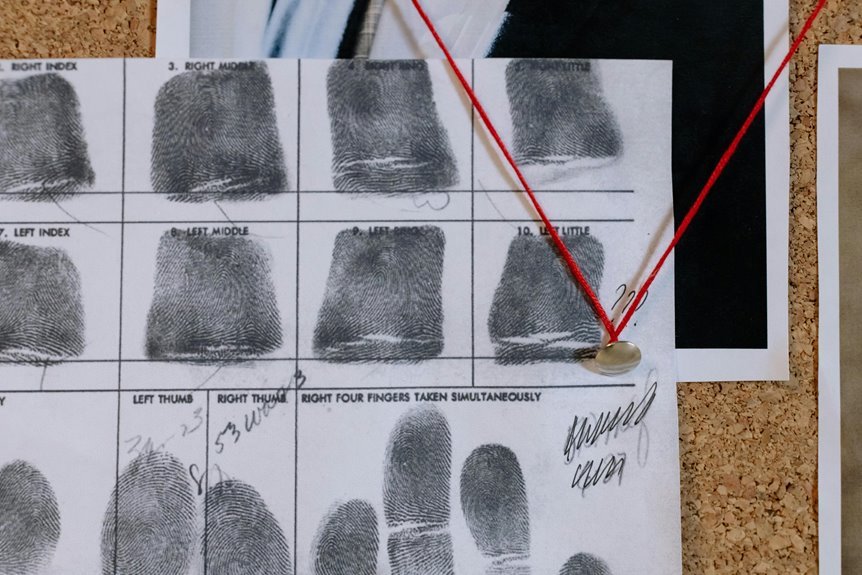
When it comes to legal proceedings, understanding the nuances of documentary evidence is essential. The Evidence Act lays down specific rules that govern what can be admitted in court. You’ll find that the authenticity of documents plays a pivotal role in their acceptance. As you explore the types and implications of documentary evidence, you’ll uncover how it can significantly influence the outcome of a case. But what happens when these rules intersect with complex legal strategies?
Understanding Documentary Evidence
Documentary evidence plays a crucial role in legal proceedings, as it encompasses any written material that can support or refute claims made in court.
Understanding legal definitions of documentary evidence helps you grasp its significance. You must also consider evidentiary standards, which dictate how this evidence is evaluated.
Admissibility of Documentary Evidence
While understanding the rules governing the admissibility of evidence is critical in legal contexts, it’s particularly vital for documentary evidence.
You must meet authentication standards to ensure documents are genuine. Additionally, be aware of hearsay exceptions that might allow certain documents to be admitted despite their otherwise inadmissible nature.
This knowledge empowers you to navigate legal proceedings effectively and safeguard your rights.
Types of Documentary Evidence
When considering the various types of documentary evidence, it’s essential to understand that they can significantly influence the outcome of legal proceedings.
Key categories include witness statements, which provide firsthand accounts, and public records, such as birth certificates and court documents, that offer verified information.
Each type serves a unique purpose, contributing to the overall clarity and strength of a case.
Impact of Documentary Evidence on Legal Proceedings
The impact of documentary evidence on legal proceedings can’t be underestimated, as it often serves as the backbone of a case’s credibility.
Conducting an impact assessment of such evidence reveals significant legal implications. Accurate documentation can bolster your position, while inconsistencies may weaken it.
Understanding these dynamics empowers you to navigate your case effectively, ensuring that your rights and interests remain protected.
Conclusion
In the grand courtroom theater, documentary evidence acts like a trusty guide, illuminating the path to truth. Just as a map reveals hidden trails, these written materials help you navigate the complexities of legal proceedings. Mastering their nuances not only bolsters your case but also safeguards your rights. Embrace this vital tool, for in the realm of law, the right documents can turn the tide, transforming uncertainty into clarity and ensuring justice prevails.