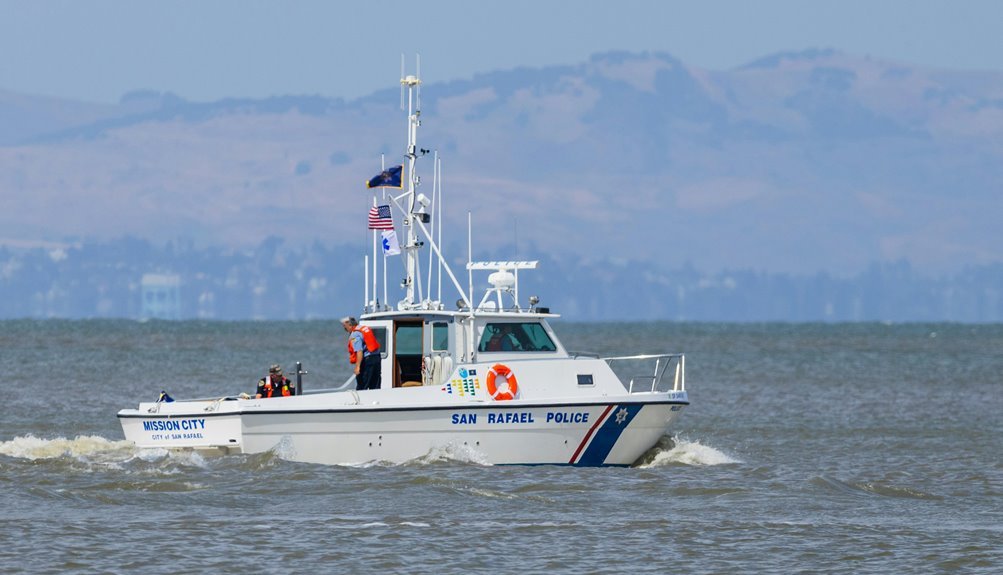
Imagine navigating a vast ocean where the rules are as fluid as the tides. The Law of the Sea provides a framework that governs this complex maritime landscape, balancing state sovereignty with the freedom to traverse international waters. As you explore its historical development and key principles, you’ll uncover how these laws face contemporary challenges like climate change and piracy. What implications do these evolving dynamics hold for the future of maritime security and resource management?
Historical Development of the Law of the Sea
Although the law of the sea has evolved significantly over centuries, it fundamentally reflects humanity’s growing need to regulate maritime interactions.
Historical treaties, such as the Treaty of Tordesillas, aimed to mitigate maritime conflicts and establish territorial claims.
As nations expanded their interests, these agreements laid the groundwork for modern maritime law, balancing sovereignty with the collective desire for freedom on the high seas.
Key Principles of Maritime Law
As maritime law has developed through historical treaties and evolving practices, several key principles have emerged that govern interactions at sea.
You’ll find that maritime jurisdiction establishes authority over navigable waters, while shipping regulations ensure safety and compliance.
These principles not only protect maritime interests but also promote freedom of navigation, fostering international cooperation and reducing conflicts among states in their seabed endeavors.
Territorial Waters and Exclusive Economic Zones
Understanding territorial waters and exclusive economic zones (EEZs) is crucial for navigating the complexities of maritime law.
Territorial waters extend up to 12 nautical miles from baseline measurements, granting states sovereignty over these waters.
Beyond that, an EEZ stretches up to 200 nautical miles, allowing nations exclusive fishing rights and resource management, essential for economic freedom and sustainable use of marine resources.
Contemporary Challenges and Future Directions
While the principles of maritime law have provided a framework for governance at sea, contemporary challenges like climate change, piracy resurgence, and technology advancements are reshaping the landscape.
You must navigate these issues to enhance maritime security. Addressing climate impacts and employing innovative technologies will be essential for safeguarding freedom at sea while ensuring compliance with evolving international regulations.
Conclusion
In navigating the complex waters of the Law of the Sea, you see how vital it is for maintaining balance between sovereign rights and global cooperation. As challenges like climate change and piracy loom larger, your understanding of maritime law becomes even more crucial. It’s not just about laws; it’s about ensuring a sustainable future for our oceans. Embrace this ongoing evolution, for the seas hold both peril and promise, shaping our world in profound ways.