If you’ve ever seen someone hooked up to a machine in a crime drama, needles of doubt and sweat on their brow, you’ve witnessed a polygraph test—at least on TV. But real life? It’s not quite that cinematic. The polygraph, often called a “lie detector,” is both simple and strangely mysterious, and people have strong feelings about it—fear, skepticism, curiosity. I’ve seen it firsthand in a couple of settings, and let me tell you, it’s one of those things that feels bigger in reputation than in reality.
The Basics of the Polygraph
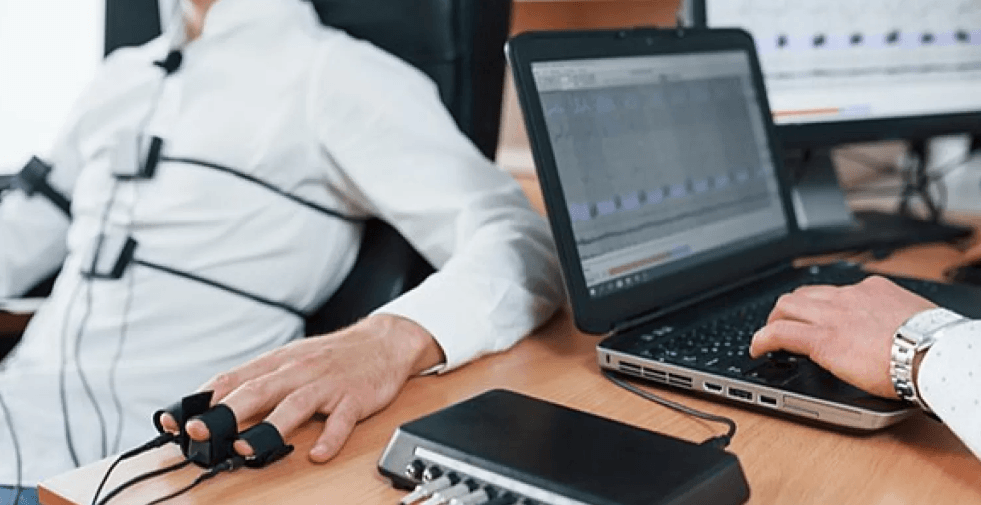
At its core, a polygraph is a machine that measures physiological responses: heart rate, blood pressure, breathing, and skin conductivity. You answer questions, your body reacts, and the machine records those changes. That’s it. Nothing magical. Nothing mind-reading.
Now, here’s the thing: the science behind it is straightforward, but interpreting it is anything but. Your body responds to stress, not lies. So if you’re nervous, excited, or had a triple-shot espresso right before the test, your numbers might spike—and the polygraph could flag that as deception. I remember a friend who got asked about a minor workplace mishap. He was completely honest, but his hands were shaking because he hates tests. The examiner’s brow furrowed. A classic false positive.
Why People Take Polygraph Tests
The reasons vary widely. Law enforcement uses them, companies sometimes use them for sensitive positions, and occasionally, folks use them for personal matters—like verifying infidelity or trust in relationships (I know, it sounds like something out of a sitcom, but it happens).
Here’s an important nuance: most people who take polygraphs aren’t “criminals.” Often, it’s employees, volunteers, or witnesses trying to prove honesty. And that’s why the experience can be surprisingly stressful even for someone who’s done nothing wrong. The tension comes from the feeling of being scrutinized, more than from the questions themselves.
What It Feels Like to Sit Through One
Let’s be honest: the physical part isn’t bad. You sit in a chair, sensors attached to your fingers, chest, and arms. It looks intimidating at first, like a tiny cockpit of wires. Then the examiner asks a few preliminary questions: your name, date of birth, maybe something easy, just to calibrate the machine.
After that, the “real” questions start. This is where the stress kicks in. Even if you’re telling the truth, the awareness that your body’s every twitch is being measured can make your pulse race. I watched someone take a polygraph once, and halfway through, she whispered, “I feel like a bug under a microscope.” That’s not far from reality.
Interestingly, the examiners often chat with you beforehand, trying to make you comfortable. They explain the process, sometimes even crack jokes. It’s a weird balance: they’re friendly, but they’re also evaluating you. That mix of casual conversation and scrutiny can feel oddly tense.
How Questions Are Structured
Polygraph tests aren’t just random “yes or no” questions. They follow a method. Typically, there are three types of questions: relevant (directly about the issue), control (designed to provoke a reaction), and irrelevant (neutral, to establish baseline responses).
Imagine being asked: “Did you take the missing money?” versus “Have you ever lied to a friend?” The second question isn’t about the crime—it’s there to measure how your body reacts to a known lie or truth. This helps the examiner compare reactions.
Here’s a tip from someone who’s observed this: the more you focus on being honest rather than trying to outsmart the machine, the better. Trying to “beat” a polygraph usually just makes you sweat more. The irony is real.
Accuracy: Myth vs. Reality
This is where the polygraph’s reputation gets complicated. Popular culture often portrays it as nearly infallible. Reality check: it’s not. Accuracy varies depending on the examiner, the testing conditions, and the subject. Studies suggest it’s better than random guessing, but far from 100%.
Think about it like this: your body doesn’t lie; it reacts. But those reactions can be triggered by nerves, confusion, or even boredom. Someone who is a skilled liar but calm under pressure could theoretically “pass” the test. Conversely, a perfectly honest but anxious person might look deceptive.
Strategies People Use—and Why They Don’t Always Work
Movies love showing people biting their tongue, doing mental math, or controlling their breathing to fool the machine. In reality, these tricks rarely work. Examiners are trained to detect irregular patterns, and polygraph protocols include measures to prevent simple countermeasures.
Plus, here’s something few people think about: trying to manipulate the test often makes the experience even more stressful. I’ve seen people overthink every answer, panic, and spike their own readings. It’s like trying to cheat a game where the rules change mid-play.
The Human Factor
If there’s one thing I’ve learned from watching polygraph tests, it’s that the human element dominates. The examiner isn’t just reading a machine; they’re reading you. How you breathe, fidget, speak, pause—all of it matters.
It’s a strange mix of technology and psychology. You can have the most sophisticated equipment, but the interaction between human and examiner often determines the outcome. A calm, empathetic examiner can make the process almost tolerable. A stern or impatient one? Suddenly, it feels like a trial.
Ethical and Legal Considerations
Here’s where things get murky. Polygraph results are not universally admissible in court. Some states in the U.S. allow them under specific conditions; others don’t. Employers can use them in certain jobs, but federal law generally protects most employees from mandatory polygraphs.
This gray area contributes to the mystique—and sometimes the fear—around polygraphs. People think, “If I fail, it’s over,” when in reality, the results are one piece of a bigger puzzle. That said, in some security-sensitive roles, failing a polygraph can end a career path. It’s high stakes, even if the science isn’t perfect.
When a Polygraph Can Be Helpful
Despite the controversy, polygraphs can serve a purpose. They can provide reassurance, detect inconsistencies, and sometimes guide investigations. Think of them like a tool, not a truth oracle.
A friend of mine once took a polygraph as part of a volunteer position at a local security company. He was nervous about the process, but afterward, he said it gave him a kind of closure—he could see his reactions, understand what made him anxious, and feel validated when the examiner told him he passed. It wasn’t magic, but it helped.
A Few Surprising Observations
Something I didn’t expect: people often remember the test more for the psychological experience than the results. The weird sensation of being measured, the awareness that your body is betraying you (or seems to), and the subtle cues from the examiner—these stick in your memory.
Also, humor plays a role. Some examiners crack jokes mid-test to see how you react. A little laughter in the middle of tension can either relax you—or make you hyper-aware of your own body. It’s oddly human.
Final Thoughts
Polygraph tests are fascinating because they sit at the intersection of technology, psychology, and human curiosity. They’re not perfect, they’re not omnipotent, but they’re rarely as dramatic as TV makes them out to be. The real story is the human reaction—the sweat, the nerves, the fleeting moments of doubt.
If you ever find yourself in front of a polygraph, here’s the best advice: breathe, stay honest, and try not to overthink. Remember, it measures your body, not your soul. The tension will feel real, but the test itself is just a tool. And sometimes, knowing that is enough to calm the nerves that really matter.