Choosing the right tile grout is often an afterthought in the world of home renovation. Homeowners spend weeks agonising over whether to choose Carrara marble, sleek subway tiles, or rustic terracotta, only to treat the grout as a “utility” item picked at the last minute.
However, grout is the unsung hero of your flooring and walls. It isn’t just “the stuff in the gaps”; it is a structural, aesthetic, and hygienic component that can make or break your investment. Here is an in-depth look at why choosing the right tile grout is one of the most important decisions in your renovation journey.
1. Aesthetic Integration: The Design “Glue”
Tile Grout plays a pivotal role in the visual outcome of a room. It acts as a frame for every single tile, and the color you choose can completely transform the look of the same tile.
- Matching Grout: If you want a seamless, monolithic look (common in modern, minimalist designs), matching the grout color to the tile creates a sense of continuity. This makes a small room feel larger because the eye isn’t interrupted by a grid pattern.
- Contrasting Grout: Choosing a dark grout with a light tile—or vice versa—highlights the pattern and layout. This is essential for classic looks like white subway tiles with charcoal grout, where the “pattern” is the star of the show.
- The “Framing” Effect: Incorrectly chosen grout can make expensive tiles look cheap. If a grout is too light and gets dirty quickly, it creates an uneven, “muddied” appearance that detracts from the tile’s beauty.
2. Structural Integrity and Protection
Tiles are incredibly durable, but they are also rigid. Buildings naturally shift, settle, and expand or contract with temperature changes.
Grout acts as a stress-reliever. It fills the voids between tiles, preventing them from rubbing against one another and cracking or chipping under pressure. Furthermore, grout protects the edges of the tiles from impact. Without high-quality grout, the sharp edges of your tiles are vulnerable to “spalling,” where small pieces break off over time.
3. Water Resistance and Mold Prevention
In “wet zones” like bathrooms, kitchens, and laundry rooms, the grout is your first line of defense against moisture.
- Porous vs. Non-Porous: Traditional cement-based grouts are naturally porous. If not sealed properly, they absorb water, which can seep into the substrate (the wall or floor behind the tile). This leads to structural rot and expensive repairs.
- The Mold Factor: Damp grout is the perfect breeding ground for mold and mildew. Choosing a high-quality Epoxy grout or a grout infused with antimicrobial properties can significantly reduce the risk of health hazards and that unsightly black staining in your shower.
4. Maintenance and Longevity
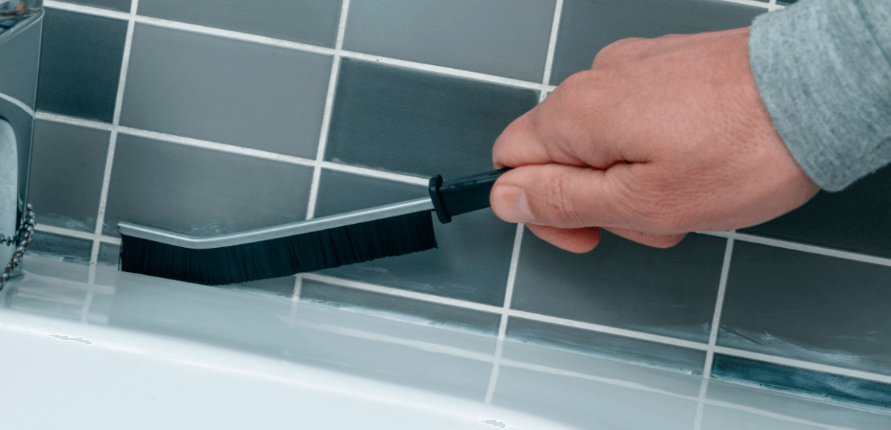
Let’s be honest: nobody likes scrubbing grout with a toothbrush. The type of grout you choose directly dictates how much time you will spend cleaning.
The Three Main Types of Grout:
| Grout Type | Best For | Pros | Cons |
| Sanded Grout | Large joints (>1/8 inch) | Resists shrinking; very durable. | Abrasive; can scratch soft tiles. |
| Un-sanded Grout | Narrow joints (<1/8 inch) | Smooth finish; great for polished stone. | Can crack in wider joints. |
| Epoxy Grout | High-traffic/Wet areas | Waterproof; stain-resistant; no sealer needed. | Difficult to install; expensive. |
If you choose a basic sanded grout for a kitchen backsplash without sealing it, every splash of spaghetti sauce becomes a permanent part of your wall. Conversely, choosing a high-performance epoxy grout means stains usually wipe away with a damp cloth.
See also: Breaking USA Coverage 9789722002 Official Services Update
5. Cost-Effectiveness Over Time
While premium grouts (like epoxy or high-performance pre-mixed grouts) have a higher upfront cost, they are often cheaper in the long run.
Consider the “Life Cycle Cost.” A cheap grout may require professional cleaning every two years and re-grouting every ten. A premium grout might last 20 years with nothing more than standard mopping. By investing an extra $50–$100 in better grout now, you could save thousands in labor costs and tile replacement later.
Tips for Choosing the Right Grout
- Consider the Joint Width: If your tiles are far apart, you must use sanded grout to prevent shrinkage and cracking.
- Test the Color When Dry: Grout often looks darker when wet. Ask your contractor for a dried sample or look at the plastic “channels” provided by manufacturers.
- Think About Traffic: For entryways and mudrooms, avoid light-colored grouts. Even the best sealer won’t keep a white grout white if it’s constantly stepped on by muddy boots.
- Match the Tile Material: If you are using delicate glass or highly polished marble, avoid sanded grout, as the sand particles can scratch the surface during installation.
Conclusion: Don’t Let Your Tiles Down
The right grout ensures that your tile installation is not just a temporary facelift, but a durable, hygienic, and beautiful feature of your home. It provides the necessary flexibility to keep tiles from cracking, the barrier needed to keep mold at bay, and the visual finish that ties your entire design together.
When you’re picking out your dream tiles, remember that they are only as good as the grout that holds them together.