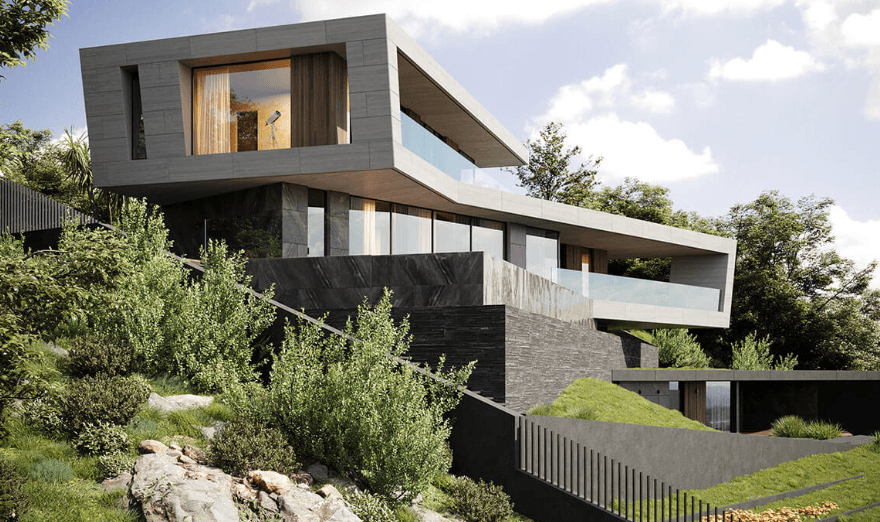
Homes do not age at the same pace. Some keep their character, balance, and ease for years altogether, while others begin to feel tired soon after completion. The difference often lies in how design choices are made, not just how attractive they seem at first glance. Good interiors hold value because they stay calm, practical, and visually steady over time.
Interior design firms in Mangalore that think beyond short-lived trends tend to create homes with stronger staying power. They focus on proportion, material quality, and layout decisions that still feel sensible later on. That approach helps a space stay relevant even when styles shift, which is why some homes quietly age well while others begin to look dated far too quickly.
Trend Chasing and Its Fast Burnout
Passing Fads Lose Their Shine Quickly: Trend-led interiors often look exciting at the start, but they can age badly once the same look appears everywhere. Latest trends in interior design may promise freshness, yet they create visual sameness that dates spaces rapidly. A room built around one season’s style may feel fresh briefly, then start to look repetitive.
Timeless Thinking Holds Its Ground: A more balanced approach values shape, scale, and restraint over novelty. The aim is not to avoid style, but to choose details that still make sense years later. Homes with this kind of thinking usually stay easier to live in and easier to update without major changes.
Overuse Creates Visual Noise: When every surface tries to stand out, the eye becomes tired. Too many bold elements compete with one another, leaving the room feeling busy rather than refined. A home ages better when it allows certain features to breathe instead of forcing attention everywhere at once.
Minimalist Architecture Staying Relevant: Minimalist architecture principles work because they strip away excess while keeping essential comfort intact. Clean lines and open spaces resist dating because they do not depend on decorative overload. This foundation lets homes feel modern without constant reinvention.
Materials That Age Gracefully
Quality Surfaces Keep Their Dignity: Materials speak loudly over time. Poor laminates, weak finishes, and fragile fittings often show wear quickly, which makes even well-planned rooms look tired. Stronger materials do not need to look flashy to remain appealing. They simply hold their form, giving the home a quieter kind of confidence.
Colour Balance Protects the Room’s Mood: A carefully balanced palette does more than please the eye. It also helps a room adapt to changing furniture, lighting, and accessories over years. When colours are too sharp or too fashionable, they can date the space quickly. Softer and better-matched tones usually stay useful for longer.
Finishes Need To Support Daily Life: Beautiful surfaces still need to survive real use. That means resisting stains, marks, and daily wear without demanding constant correction. In many homes, this practical side matters more than people expect. A room that survives everyday living with grace tends to keep its appeal.
Adaptable Spaces Stay Useful Longer
Layouts That Leave Room To Evolve: Families change. Furniture changes too. A home that locks itself into one rigid arrangement can start to feel awkward as needs shift. Better interiors allow movement, re-use, and future adjustments without asking for a full redesign every few years.
Flexibility Reduces Future Regret: Rooms that can serve more than one purpose usually last longer in both function and style. A study may need to become a guest room later. A sitting area may need to work harder. This kind of planning keeps the home relevant in ways that decorative choices alone cannot.
Thoughtful Planning Avoids Costly Rework: When the foundation is strong, owners do not feel pressure to renovate just to keep up. That matters because poor layout choices often lead to waste, inconvenience, and extra spending later. Experienced designers look at how people live, not only how a room photographs on day one.
Experience Behind the Calm Finish
Proportion Shapes First Impressions: Good design often feels effortless because the proportions are right. Furniture size, ceiling height, wall treatment, and circulation all need to work together. When those elements are balanced, the home feels settled. When they are not, even expensive materials can feel out of place.
Professional Judgement Prevents Overdesign: Experienced designers know when to stop. That restraint is not a lack of ambition. It is a skill that protects a home from looking crowded or overworked. Many dated interiors were once fashionable, but they held too much at once and lost their freshness quickly.
See also: The Future of AI Assistants: Smarter, Faster, Everywhere
Practical Decisions Support Long-Term Appeal: Design that lasts usually comes from a steady process, not dramatic gestures. Good planning, measured styling, and sensible material choices create homes that remain pleasant to live in. This is where technical decisions quietly support comfort, even if they do not grab attention at first.
Helpful Design Choices That Age Well
- Choose durable materials that keep their surface quality over time.
- Use a balanced colour palette that can adapt to changing furniture.
- Avoid filling every corner with a trend-driven statement piece.
- Plan layouts that can work for more than one stage of life.
- Leave visual space so the home does not feel crowded or busy.
- Prioritise comfort and use, not appearance alone.
A Home That Stays Relevant
Homes age beautifully when design choices are calm, practical, and well judged. Trend-led spaces may grab attention, but they often lose their appeal quickly. Strong interiors rely on balance, materials, and adaptable thinking, which gives them a longer life. If the goal is a home that still feels right years later, careful design always matters more than short-lived style.